research
Research by Muhammad Aurangzeb Ahmad spanning clinical AI, responsible AI, the technology of grief and digital identity, and AI governance from pluralistic moral traditions.
What does an AI system owe to the person it affects, and what do we lose when it gets that wrong? I have been asking that question since 2013, when my father died and I began building a chatbot of him to understand what it means to preserve someone in digital form and what are the trade-offs when you try.
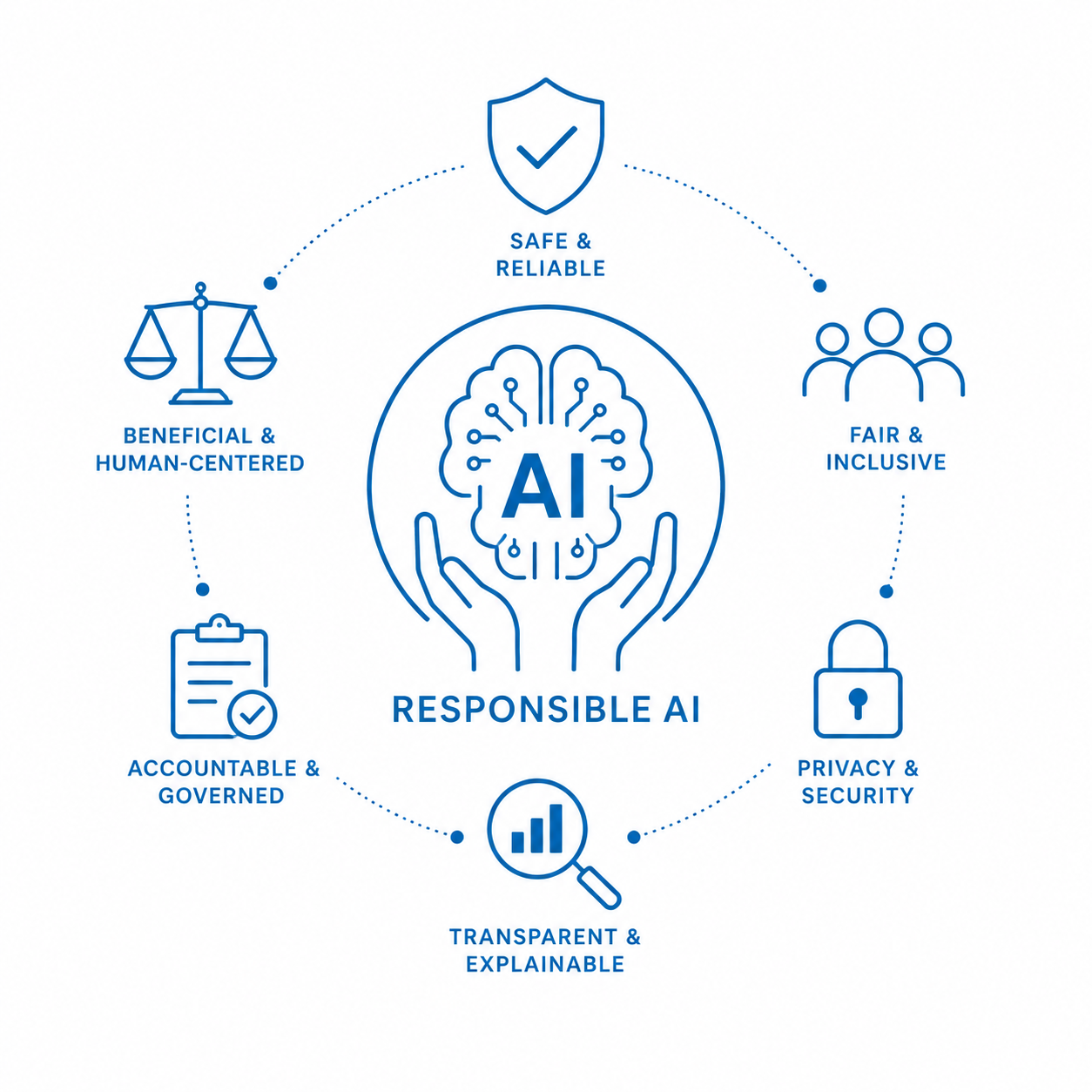
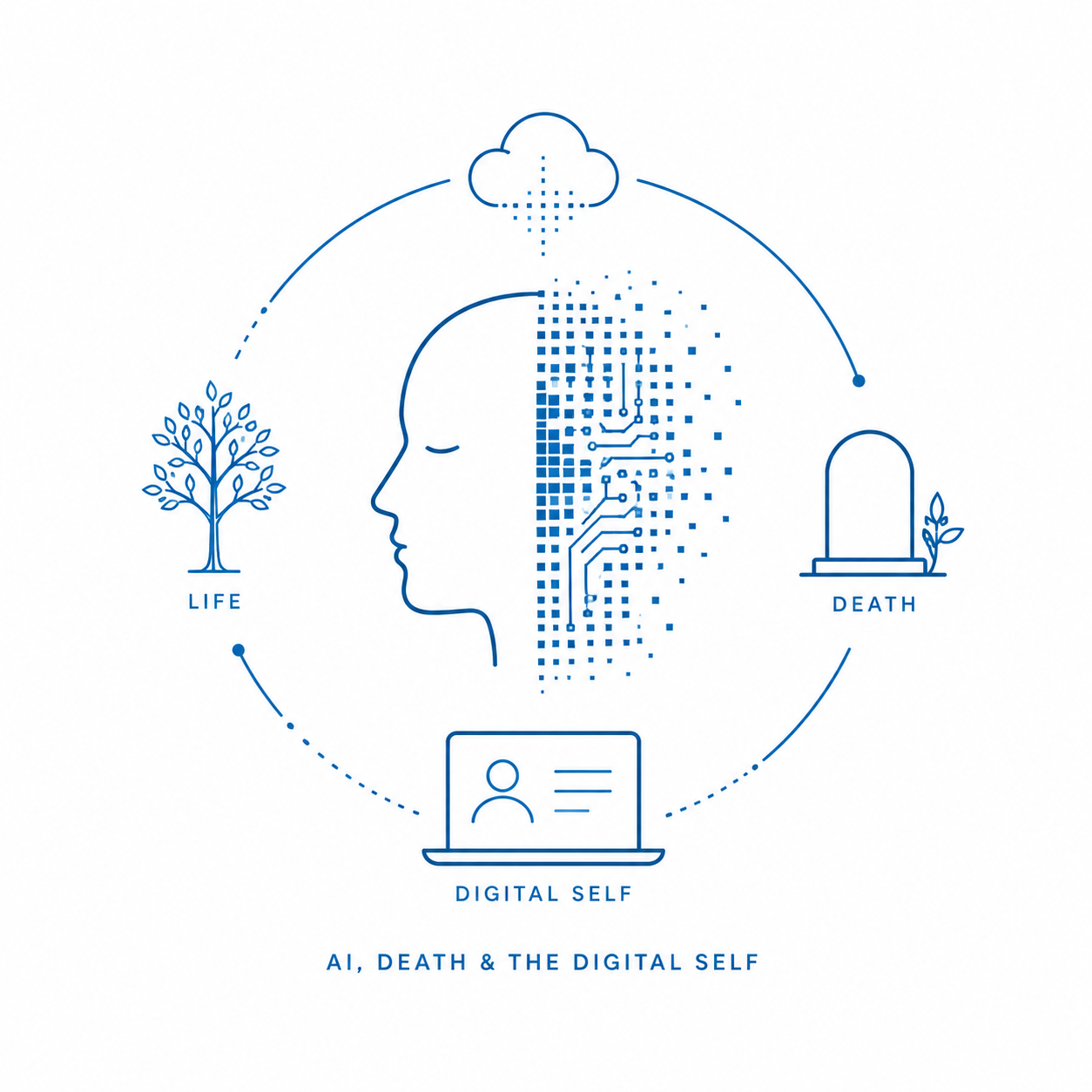
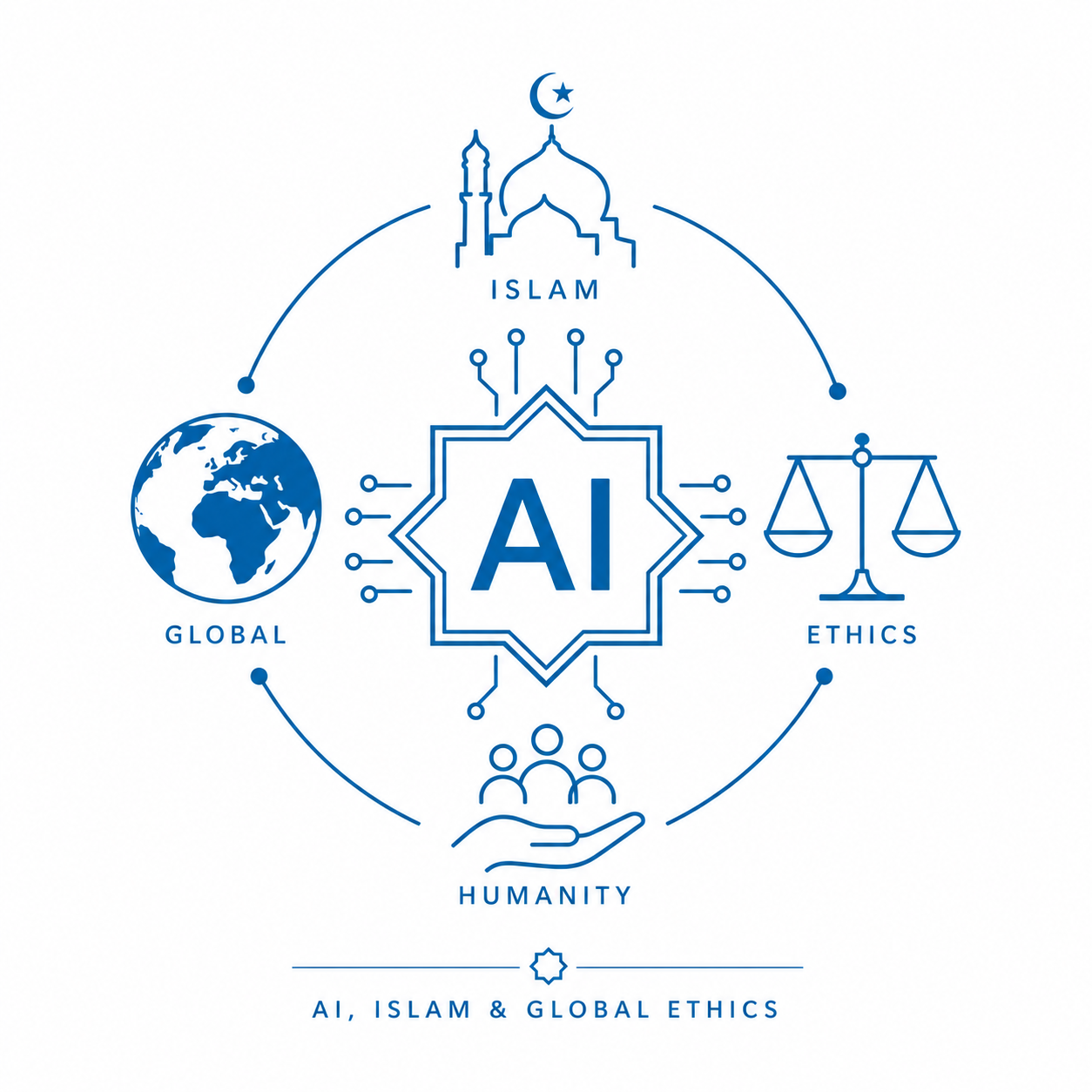
I have spent my career asking that question at three frontiers where the stakes are highest. At the frontier of the self, I study what AI does to death, grief, and memory: the chatbots trained on the dead, the algorithms that predict mortality, the systems that claim to speak for patients who can no longer speak. At the frontier of the body, I build and deploy clinical AI at scale (systems currently reaching millions of patients) and audit what those systems get wrong, whose risk they amplify, and how to hold them accountable. At the frontier of the community, I develop governance frameworks for AI drawn from non-Western moral traditions, asking whose values get encoded when AI is built by some people for the entire world. The work operates in two registers simultaneously: building systems that function at clinical scale, and interrogating what those systems cost. I have found that neither is sufficient without the other.
For research collaboration, thesis committee inquiries, or academic correspondence, email maahmad@uw.edu. Please include a brief description of your project or proposal.
Google Scholar: scholar.google.com · ORCID: 0000-0001-7449-5956
For the complete publication record, click on the Publications button below or click on the Google Scholar button next to it.
A list of representative publications:
2025


2023


2021


I serve or have served on doctoral and master's thesis committees at the University of Washington (Bothell and Tacoma) and international universities. Current doctoral students are working on offline reinforcement learning for clinical decision support and Islamic legal AI. I have supervised more than fifteen master's students on topics spanning adversarial ML, multilingual NLP, and AI for mental health. See the full list →