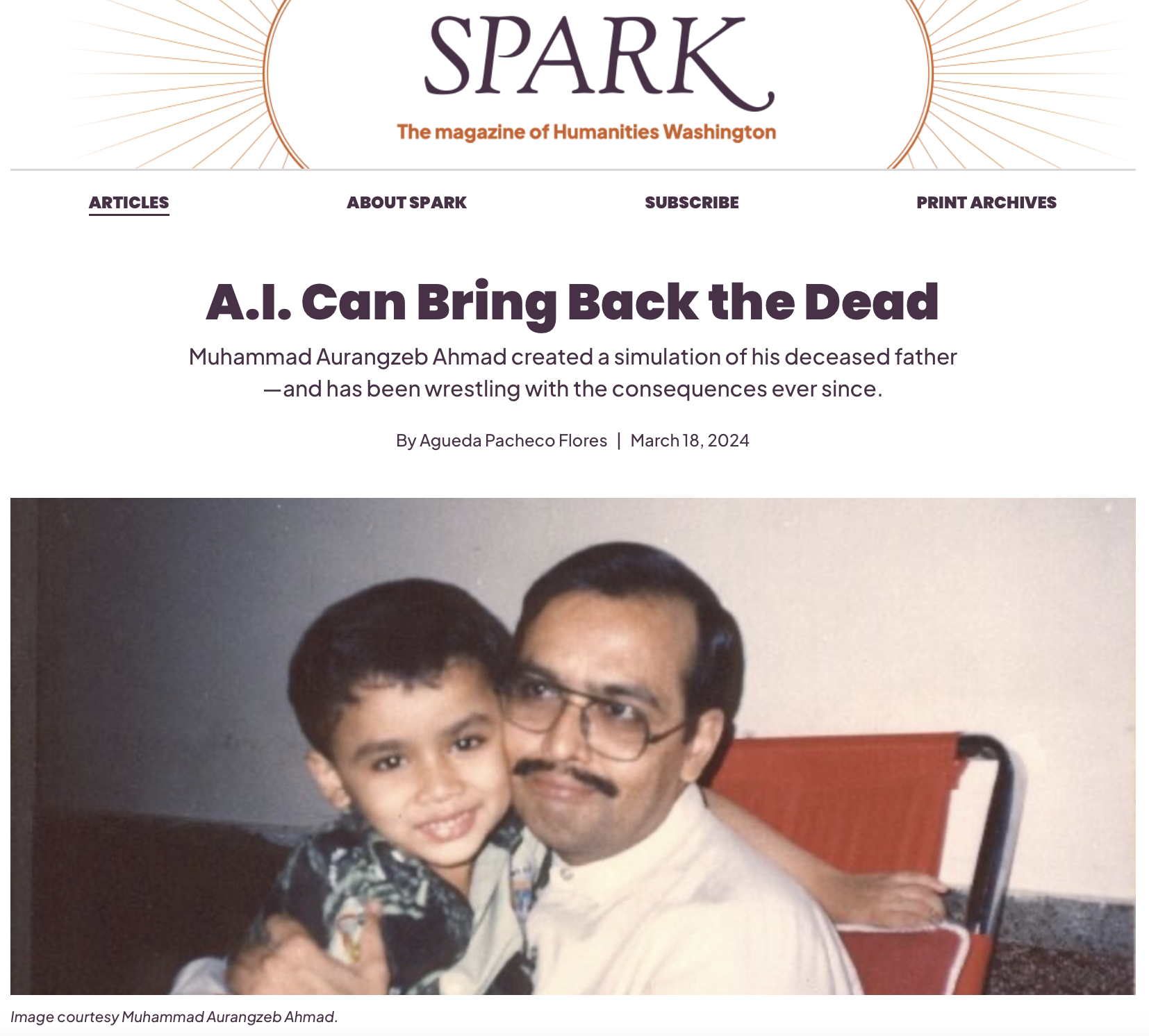
My father died in 2013. A few years later, I started building a chatbot of him, trained on his words, his letters, his patterns of speech, to see whether something of him could be preserved in digital form, and to understand what it means when the answer is yes (Ahmad, 2016). That project became both the most personal thing I have done as a researcher and the seed of a sustained inquiry into what I call the technology of grief.
We are approaching a moment when AI systems will be able to simulate the deceased with unsettling accuracy: their voice, their personality, their conversational rhythms. This is already happening, commercially and informally, and the ethical, psychological, and societal questions it raises have barely been asked. Who consents to a digital afterlife? What does it do to a grieving person to interact with a simulation of someone they loved? Who profits from the dead?
A parallel thread runs through clinical settings, where predictive models increasingly estimate mortality risk: in ICUs, where early identification of deterioration shapes treatment decisions and resource allocation, and in longer-term palliative and hospice contexts, where trajectory modeling can inform when to initiate end-of-life care. I also study the emerging use of AI surrogates in end-of-life decision-making, systems that claim to speak for patients who can no longer speak for themselves (Ahmad, 2025). These systems raise urgent questions about whose deaths are predicted accurately and whose are not, and what fairness means when the stakes are irreversible.
Research Areas
GriefBots & Digital Afterlife
Using NLP and machine learning to simulate deceased individuals from their digital traces. Examining the psychological impact, ethical dimensions, and limits of digital resurrection, personal and scholarly simultaneously.
AI Surrogates for End-of-Life Decisions
Algorithmic systems that predict or represent patient preferences at end of life when patients can no longer communicate. Examining fairness, consent, and accountability in these high-stakes clinical-ethical contexts.
Ethics of Digital Immortality
Broader ethical frameworks for digital afterlife technologies: commercialization of the dead, data rights after death, emotional manipulation, and the philosophical question of what it means to survive in digital form.
Mortality Prediction in Critical & Palliative Care
Predictive models for mortality risk in intensive care units and longer-term hospice settings. Work spans ICU deterioration modeling, risk stratification for palliative care referral, and trajectory prediction for patients approaching end of life, informing both clinical decision-making and the timing of palliative interventions.
Selected Publications
2025
arXiv
Algorithmic Fairness in AI Surrogates for End-of-Life Decision-Making
Artificial intelligence surrogates are systems designed to infer preferences when individuals lose decision-making capacity. Fairness in such systems is a domain that has been insufficiently explored. Traditional algorithmic fairness frameworks are insufficient for contexts where decisions are relational, existential, and culturally diverse. This paper explores an ethical framework for algorithmic fairness in AI surrogates by mapping major fairness notions onto potential real-world end-of-life scenarios. It then examines fairness across moral traditions. The authors argue that fairness in this domain extends beyond parity of outcomes to encompass moral representation, fidelity to the patient’s values, relationships, and worldview.
@misc{ahmad2025algorithmic,category={selected_research},title={Algorithmic Fairness in AI Surrogates for End-of-Life Decision-Making},author={Ahmad, Muhammad Aurangzeb},year={2025},}
2016
CHI
After death: big data and the promise of resurrection by proxy
Muhammad Aurangzeb
Ahmad
In Proceedings of the 2016 CHI Conference Extended Abstracts on Human Factors in Computing Systems, 2016
With the advent of Big Data and the possibility of capturing massive personal data it is possible to simulate some aspects of a person’s personality. The imitation game is based on the observation that it is possible to convince a person of a fake identity if sufficient information is available about the identity being faked. Imitation is however not limited to a person who is alive but also a person who is not alive; the question of simulating a deceased person for the purpose of having the simulation interact with a person is addressed. Various challenges and background considerations for such an endeavor are discussed. The goal of the paper is to open up discussion on this subject and examine its feasibility.
@inproceedings{ahmad2016after,title={After death: big data and the promise of resurrection by proxy},author={Ahmad, Muhammad Aurangzeb},booktitle={Proceedings of the 2016 CHI Conference Extended Abstracts on Human Factors in Computing Systems},pages={397--408},year={2016},url={https://dl.acm.org/doi/abs/10.1145/2851581.2892591},}
Clinical AI systems can now predict which patients are nearing the end of life. I examine what those predictions cost — in accuracy, fairness, and accountability — and who bears the weight when the algorithm is wrong.
On the ethics of AI systems that generate speech, preferences, and decisions on behalf of patients who can no longer speak for themselves - and whether any algorithm can be trusted with that weight.
I argue that AI and digital data will soon make it possible to simulate the deceased with startling accuracy - and that we are not prepared, ethically or emotionally, for what that means.
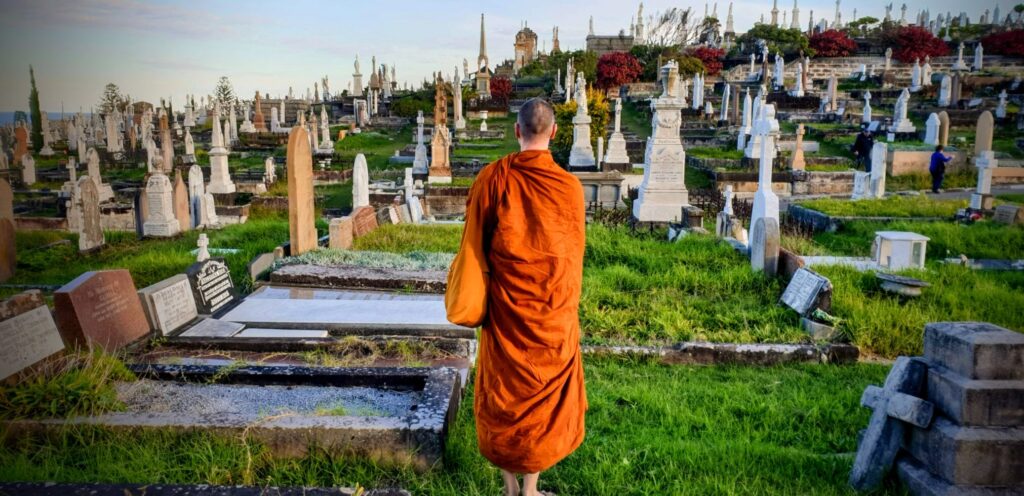
Featured on BBC World Service's What in the World?, discussing the technology of grief, GriefBots, and the psychological and ethical questions raised by AI systems that simulate the deceased.
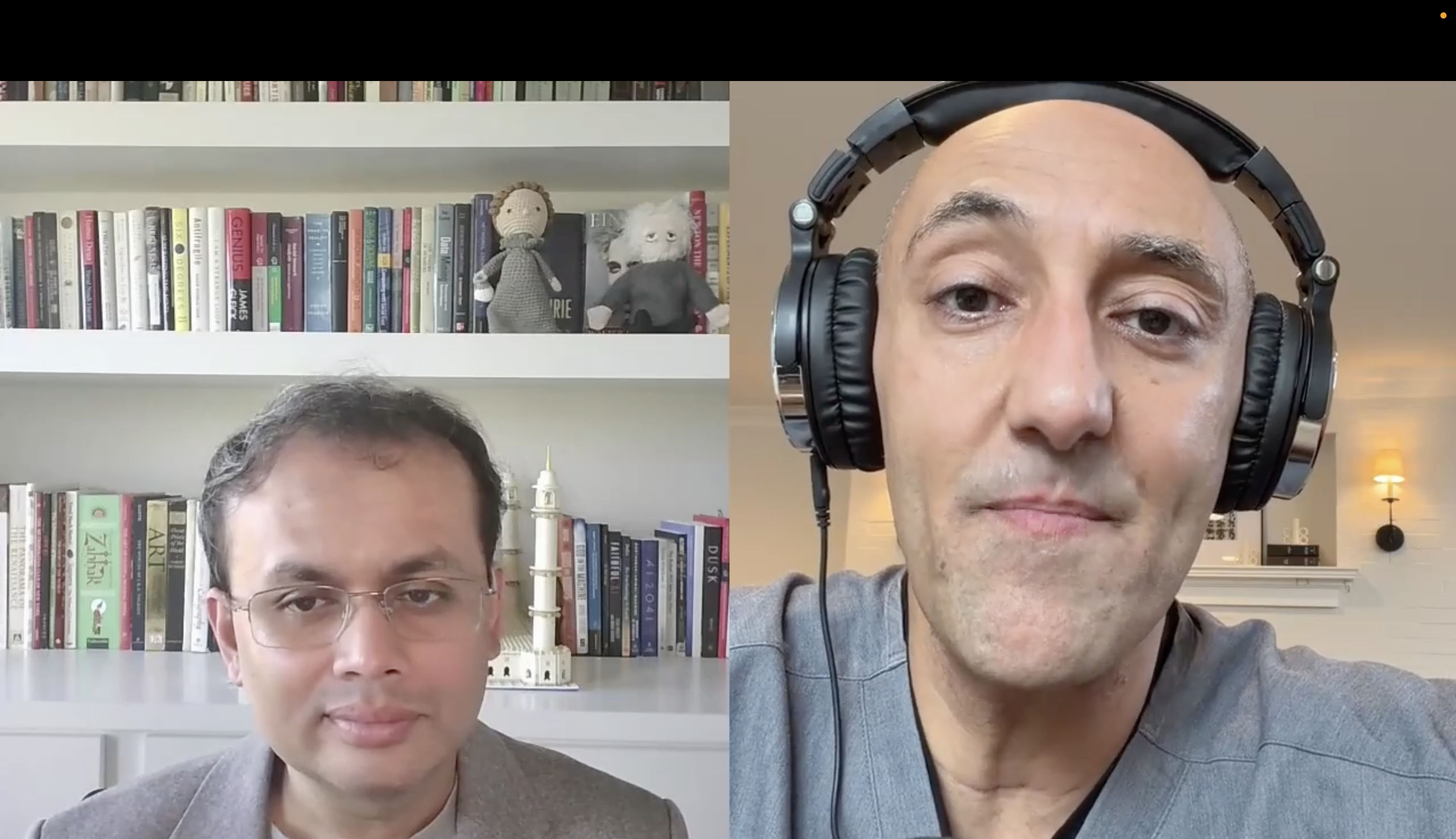
A conversation with Dr. Hesham Hassaballa on whether an AI version of a person could make end-of-life decisions on their behalf — exploring the technology of AI surrogates, the ethics of algorithmic decision-making in clinical care, and what it means to build systems that speak for patients who can no longer speak for themselves.
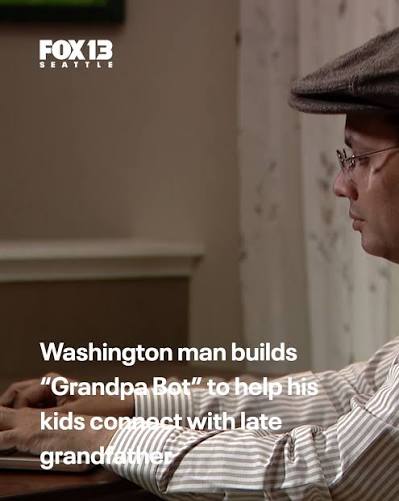
A feature on Grandpabot: the AI chatbot I built from my late father's letters and recordings so my children could know a grandfather they never met. FOX 13 Seattle followed the story from its personal origins to its broader implications for how families use AI to preserve memory and presence across generations. The segment sparked significant public conversation about the ethics and emotional dimensions of AI grief technology.
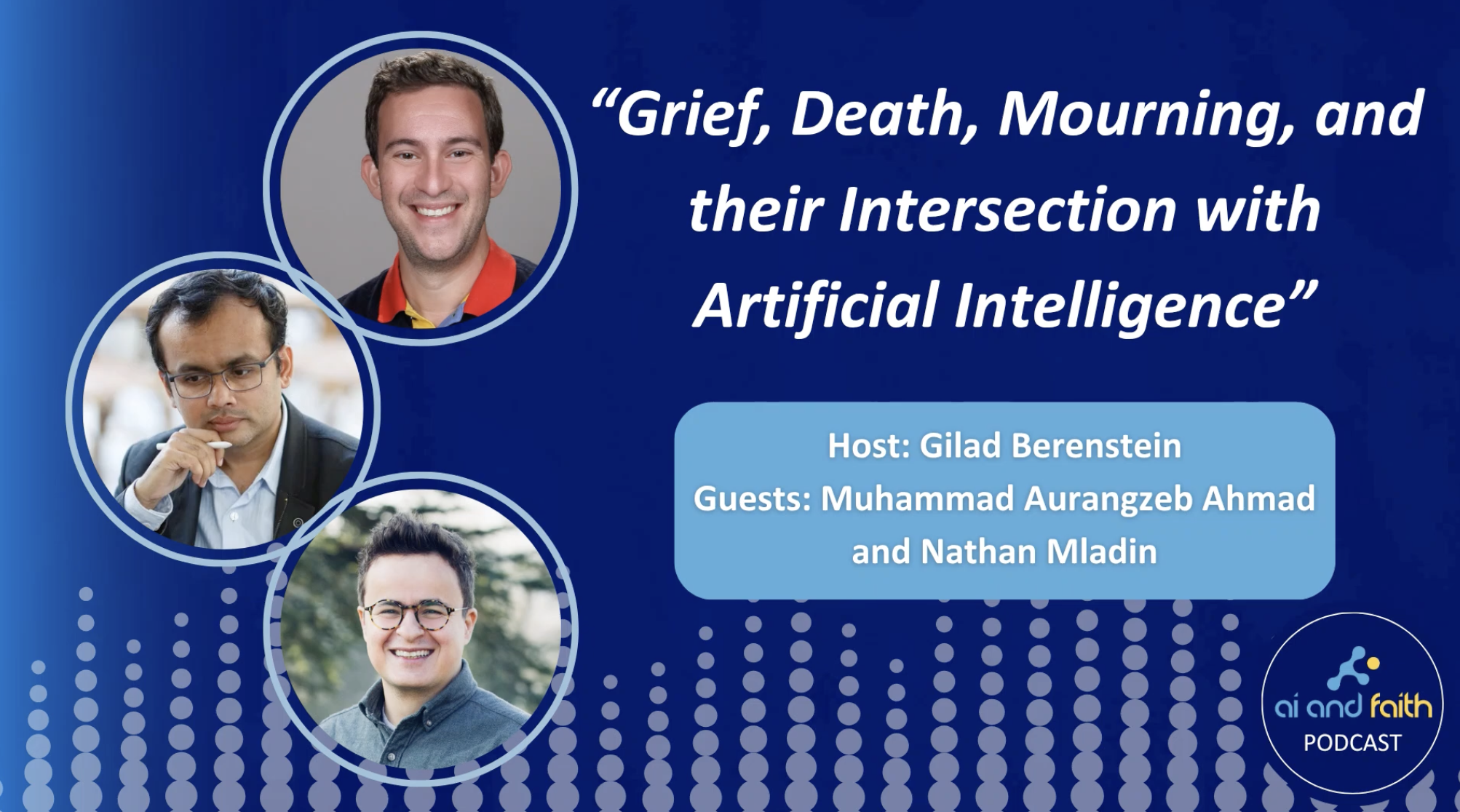
A conversation on the technology of grief and digital mortality — exploring GriefBots, digital resurrection, and the ethical questions raised when AI systems simulate the deceased or make decisions on behalf of the dying.
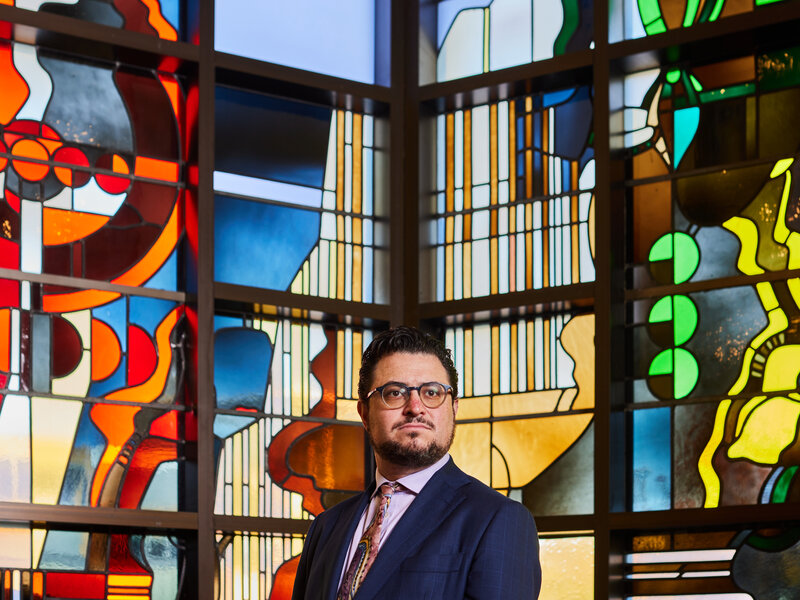
A conversation with host David Zvi Kalman on the AI simulation I built of my terminally ill father — exploring what it means to preserve a person in digital form, the constraints of such a project, and the religious and ethical questions it raises.
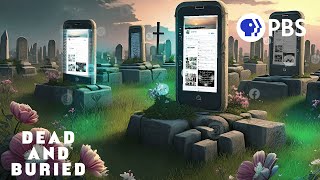
I appear in this episode of PBS's Dead and Buried series, discussing the fate of our digital data after death and the ethics of AI-generated simulations of the deceased.
The Times profiles RabbitBot - an AI system I built to generate sermons - as part of a broader investigation into how religious communities are grappling with artificial intelligence.
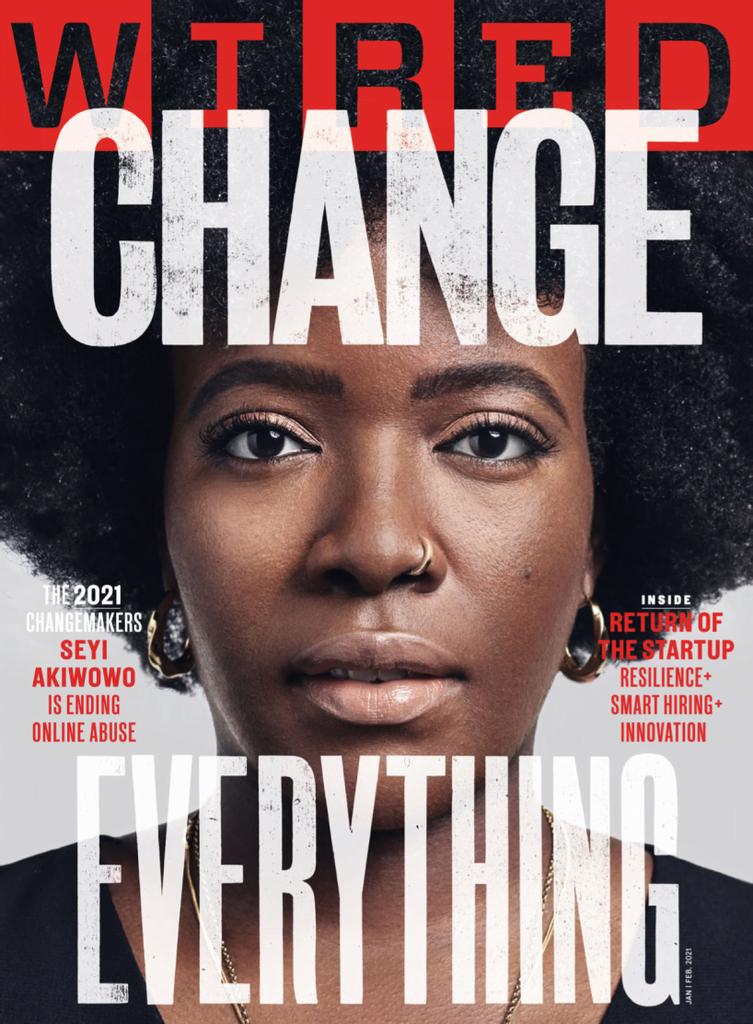
Wired profiles the emerging field of Islamic AI ethics, featuring my work on how Muslim scholars and researchers are developing frameworks for governing artificial intelligence. The piece draws on Islamic traditions of jurisprudence and ethics to ask whether existing AI governance frameworks adequately account for the values of non-Western communities. It was one of the first major publications to cover this intersection for a mainstream technology audience.
An in-depth interview on GriefBots, digital immortality, and the ethical responsibilities of researchers working at the intersection of AI and bereavement.
My personal account of building a chatbot from my late father's writings, one of the earliest public discussions of building a grief chatbot for family use.