The conversation about AI ethics has been shaped, almost entirely, by one tradition: secular, liberal, and Western. Its core concepts (individual rights, autonomy, informed consent) reflect philosophical commitments that are not universally shared. AI systems, however, are deployed globally, in communities that hold fundamentally different accounts of the good, of the relationship between individuals and collectives, and of the moral status of non-human entities. Taking AI ethics seriously at a global scale requires engaging with this plurality rather than treating it as a problem to be harmonized away. This research does that: drawing on Islamic, Confucian, Buddhist, and other non-Western traditions to develop a genuinely pluralistic account of how AI should be built and governed.
Each tradition brings something that dominant frameworks cannot easily supply. Islamic jurisprudence centers human stewardship and dignity, placing obligations rather than rights at the foundation, and has already been applied to AI systems reshaping religious communities at scale (Ahmad, 2025). Confucian ethics foregrounds relational bonds over individual autonomy, asking what AI systems owe to the networks of relationship in which they are embedded. Buddhist philosophy, with its account of interdependence (pratītyasamutpāda) and the dissolution of sharp self/other distinctions, challenges the human-centrism built into most alignment frameworks. Across these traditions, the relationship between humans, animals, and non-human entities is conceived very differently from Western ethics: with different obligations toward nature, future generations, and forms of life that utilitarian and deontological frameworks tend to treat as peripheral. They have direct implications for how we define harm, who counts as a stakeholder, and what AI governance can legitimately claim to represent when it speaks in the name of human values.
This pluralistic lens motivates a specific challenge I call pluralistic alignment. Current AI alignment research predominantly assumes a single target (safety, helpfulness, harmlessness) and asks how systems can be trained to adhere to it. But these terms carry cultural weight. Whose safety? Whose account of harm? Whose conception of what it means to be helpful? Pluralistic alignment asks whether AI systems can be designed to navigate genuine value diversity by maintaining fidelity to different communities' moral frameworks in different contexts. This work contributes to that agenda by making explicit what non-Western traditions require of AI systems, and by developing governance frameworks that can accommodate moral pluralism rather than suppressing it in the name of a universal standard. It has been presented at the World Government Summit and the United Nations.
Research Areas
Algorithmic Fiqh
Applying the methods of Islamic jurisprudence (ijtihad, qiyas, maslaha, ijma) to questions raised by artificial intelligence. What does Islamic legal reasoning say about algorithmic decision-making, automated fatawa, and AI systems that influence the lives of Muslim communities?
Islamic Chatbots & Religious Authority
LLM-powered chatbots are reshaping how Muslims access religious knowledge, transforming the relationship between scholars, communities, and sacred texts. Examining the risks of authority erosion, the spread of unvetted religious opinion at scale, and frameworks for responsible design of religious AI.
AI Governance Beyond the West
Developing governance frameworks for AI that draw on non-Western moral traditions. Engaging with MENA regional governance, policy forums in Muslim-majority countries, and comparative analysis of how Islamic, Confucian, and other non-liberal traditions approach algorithmic accountability.
AI and Muslim Communities Globally
How AI is reshaping religious practice, education, and community governance across Muslim-majority societies. Studying the use of AI in Islamic scholarship, computational analysis of Islamic knowledge networks, and the social and political implications of algorithmic systems in Muslim contexts.
Selected Publications
2025
NeurIPS Workshop
Islamic Chatbots in the Age of Large Language Models
Large Language Models (LLMs) are rapidly transforming how communities access, interpret, and circulate knowledge, and religious communities are no exception. Chatbots powered by LLMs are beginning to reshape authority, pedagogy, and everyday religious practice in Muslim communities. We analyze the landscape of LLM-powered Islamic chatbots and how they are transforming Islamic religious practices — democratizing access to religious knowledge but also running the risk of erosion of authority. We discuss what challenges these systems raise for Muslim communities and explore recommendations for the responsible design of these systems.
@misc{ahmad2025islamic,title={Islamic Chatbots in the Age of Large Language Models},author={Ahmad, Muhammad Aurangzeb},year={2025},}
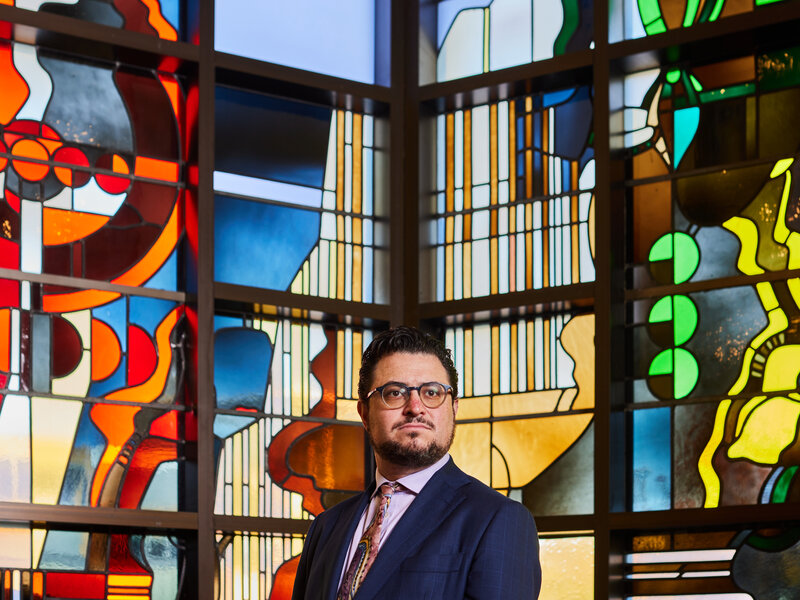
Religious communities are adopting AI for prayer, scriptural interpretation, and spiritual guidance. The promises are real - and so are the dangers of algorithmic theology.
Against the assumption that science fiction is a Western genre, I trace a rich tradition of speculative and futurist thought in Islamic civilization - from medieval philosophers to modern authors.
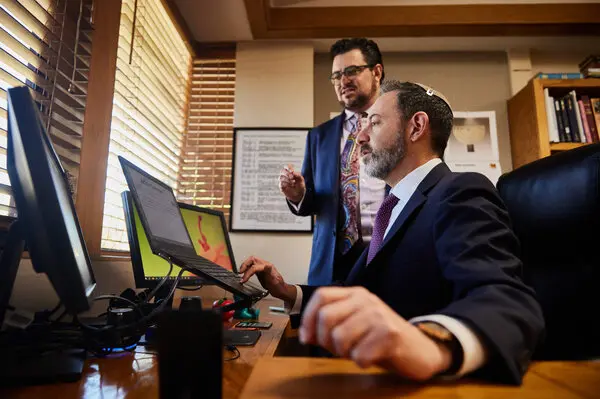
The Times profiles RabbitBot - an AI system I built to generate sermons - as part of a broader investigation into how religious communities are grappling with artificial intelligence.
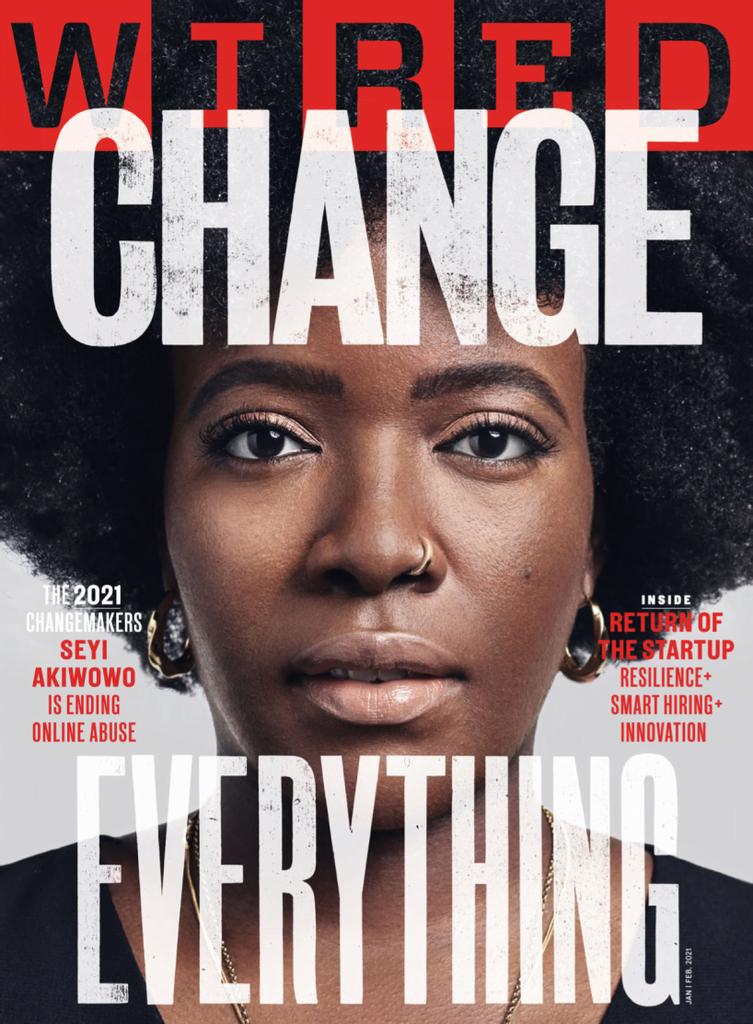
Wired profiles the emerging field of Islamic AI ethics, featuring my work on how Muslim scholars and researchers are developing frameworks for governing artificial intelligence. The piece draws on Islamic traditions of jurisprudence and ethics to ask whether existing AI governance frameworks adequately account for the values of non-Western communities. It was one of the first major publications to cover this intersection for a mainstream technology audience.
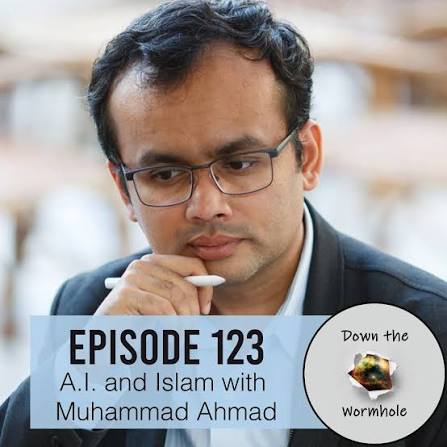
A wide-ranging conversation on how Islamic traditions of ethics, jurisprudence, and human dignity can shape the governance and design of artificial intelligence systems.
For research collaboration or academic conference invitations, reach me at maahmad@uw.edu. For speaking invitations at policy forums or governance inquiries, reach me at vonaurum@gmail.com.